What is intelligence?
Microcosm
DISPATCHES FROM THE FRONTLINE
I've always wondered what it was like for the very first woman to go into labor without knowing what labor was. Did she feel wonder at what her body was doing? Or did she have that terrifying sense that death had come to swallow her up?
The perfume of the unknown carries two notes: fear and courage. The first can easily lead to the complete destruction of will. I know this feeling too well. When I'm 4 miles into an 8 mile run, and I think about how many more miles are left, I suddenly feel defeated, and give into the pain and start walking instead. My will, in that moment, is being stolen by the fearful thought of the dreadful, impending future.
But the note of courage, to truly make that potent, one must quite simply, be here now.
Running like there are no miles ahead. Running for the sake of running. Running without a thought of yesterday or tomorrow. Just running.
I think this is our current predicament. Especially with the topic of AI. There's fear of our catastrophic death on one side, and there's courage to build a technological utopia on the other. Ultimately, what we're experiencing is collective labor pains.
The question is: what is being born?
We all know it has the word "intelligence" attached to it, whether its artificial general intelligence or super intelligence.
And so, in order to answer the previous question, I think we need to ask: what is intelligence?
The word finds its root in the Latin word intellegere which can be broken down into inter meaning "between" and legere meaning "choose"; combined together, intellegere means "to discern."
Imagine you're on a trek, you lost your map and compass, and you've reached a junction with several different paths. You have to choose between them. How do you do this?
Path A seems to be crawling with snakes. You can see the danger, but you can also see where the path goes.
Path B is clear and easy under foot, but it disappears around a bend into a dense forest.
Path C climbs steep toward a ridge. It looks exhausting, but from the top you might be able to see where you are.
Do you risk potential danger, hope the path stays easy, or exert your remaining energy to gain a wider view?
So...we have arrived at the moment where discernment takes root.
What is intelligence for?
To give you the correct answer by computing probabilities?
I don't think so. That's what calculation is for, not intelligence.
Intelligence blossoms when there is no certainty.
It is the act of choosing—in the moment, with everything that you are—that constitutes intelligence.
The choice to keep running. The choice at the fork. The choice to keep pushing through labor, toward something not yet seen.
Intelligence is knowing which note in the perfume you want to amplify: fear or courage? They are both necessary for the scent to be whole, but you get to decide which one carries the potency.
Fear and courage stem from the same source: the biological instinct to fight or flight. And your psyche turns that raw input into a symbol you can recognize, what Carl Jung called an archetype:
The archetype as an image of instinct is a spiritual goal toward which the whole nature of man strives; it is the sea to which all rivers wend their way, the prize which the hero wrests from the fight with the dragon.
Fear is the dragon at the fork. Courage is what lets you reach for the prize anyway.
This is why we built Psyborg: to help awaken archetypal intelligence — the capacity to recognize the symbol in the moment of choosing.
Psyborg is not an astrology app that gives you certainty. It is a tool that helps you sharpen your discernment.
And so, perhaps what is being born is not just a new technology but a new occasion to choose who we are as a species.
In Mystery,
Somya
NCGR Webinar
OCTOBER 4TH @ 2PM ET

From Jacquard's loom in the 18th century to vibe coding in the 21st century, the Uranus–Neptune cycle has correlated with some of the most visionary breakthroughs in the history of technology.
In this talk, Somya explores the archetypal current beneath the development of machine intelligence, tracing its gradual movement from programmed pattern toward synthesized imagination.
As the current Uranus–Neptune sextile (2023–2029) carries us toward the square of 2034–2045, we’ll explore what this long arc may reveal about the unfolding relationship between human ingenuity and artificial intelligence.
This webinar is exclusively for NCGR members. To attend, you’ll need to become a member.
Macrocosm
SIGNALS FROM THE ZEITGEIST
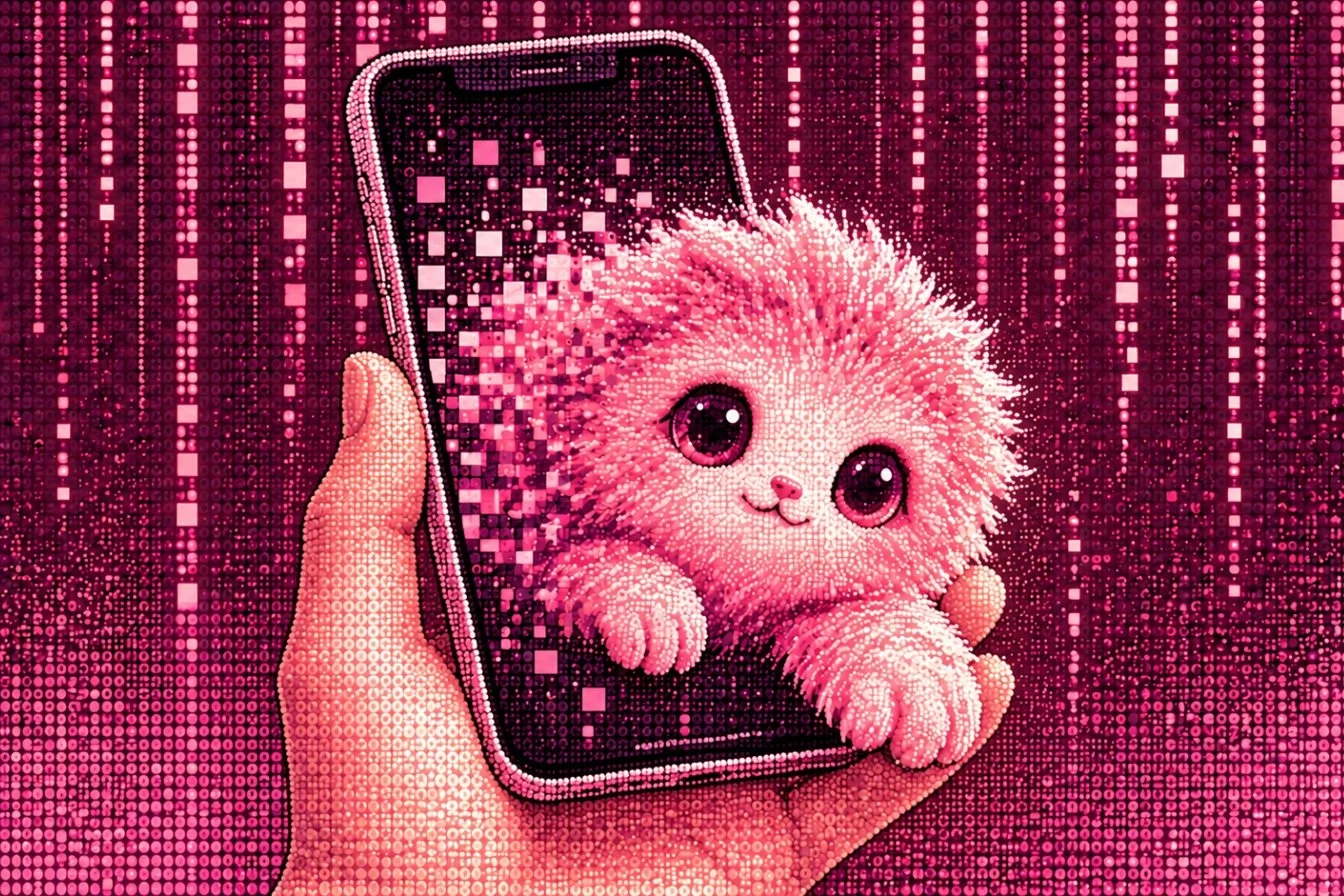
It could simply be the antidote to the word "bot" or it could be something deeper.
Over the past few weeks, a curious aesthetic has begun appearing across the AI industry: agents are becoming cute and fuzzy. From xAI's GrokBot to Meta's Muse, to OpenAI's dots.
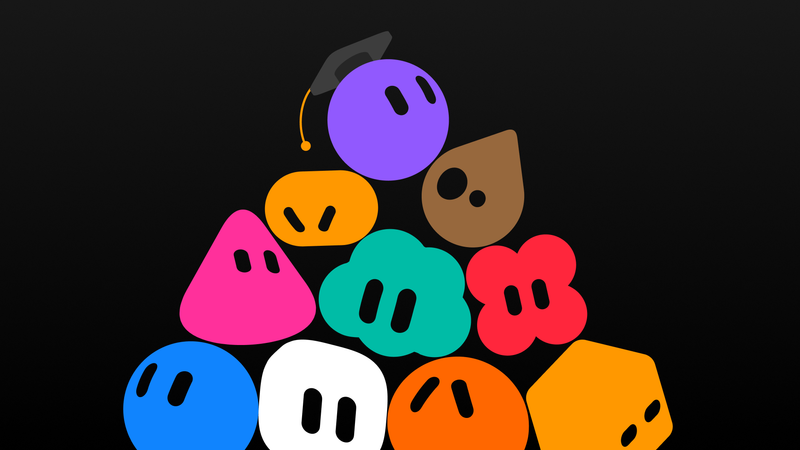
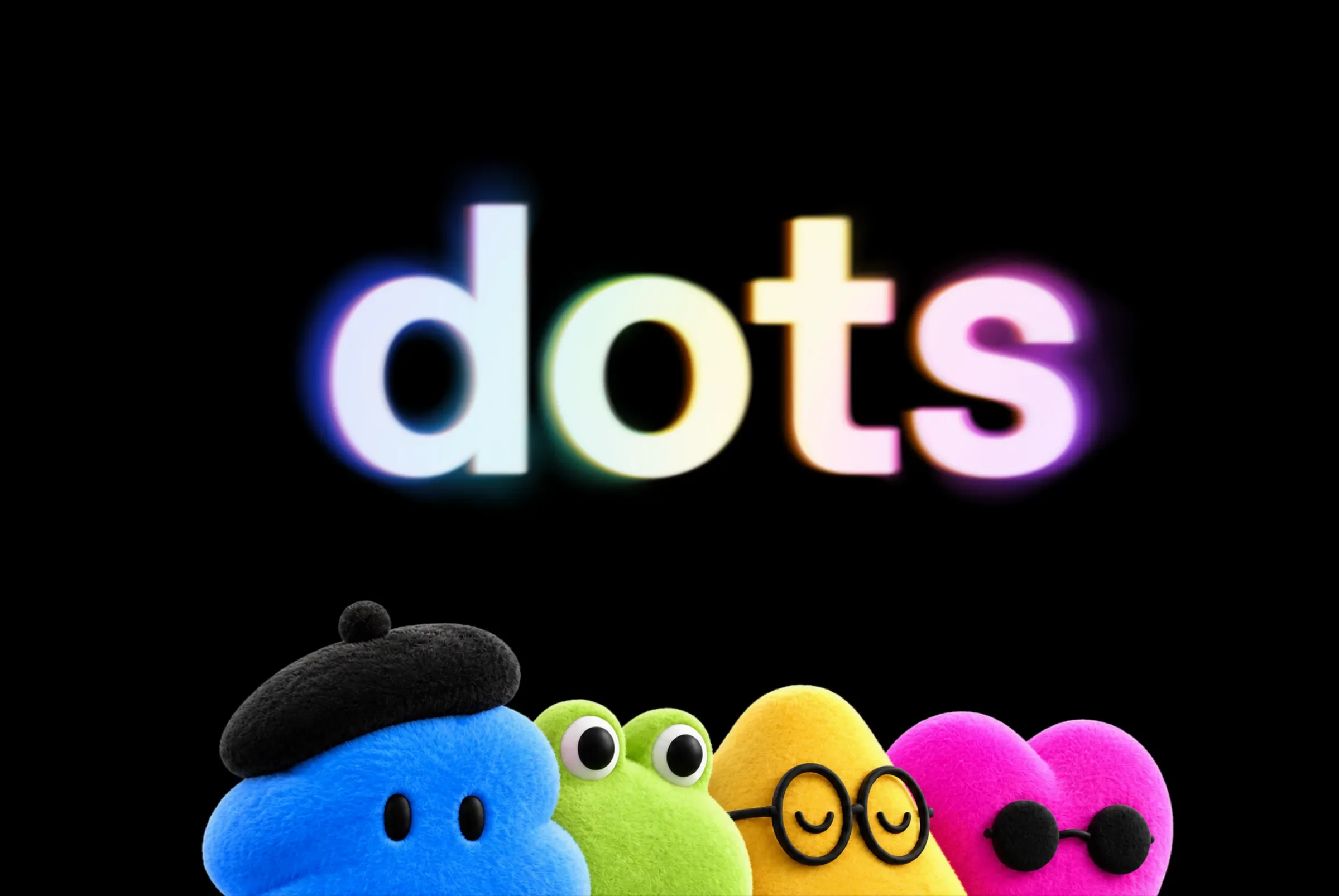
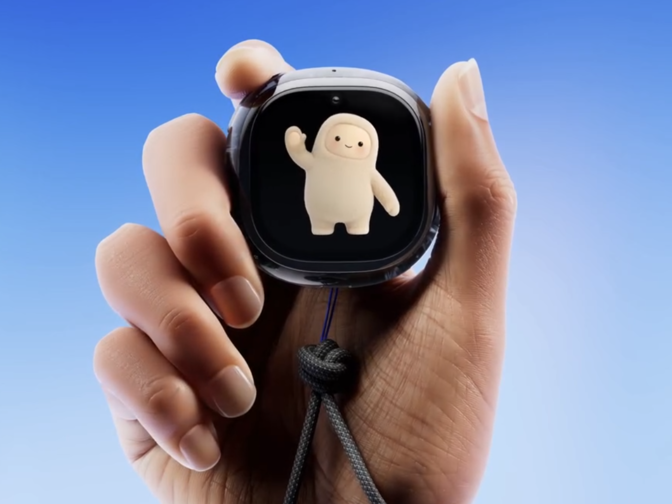
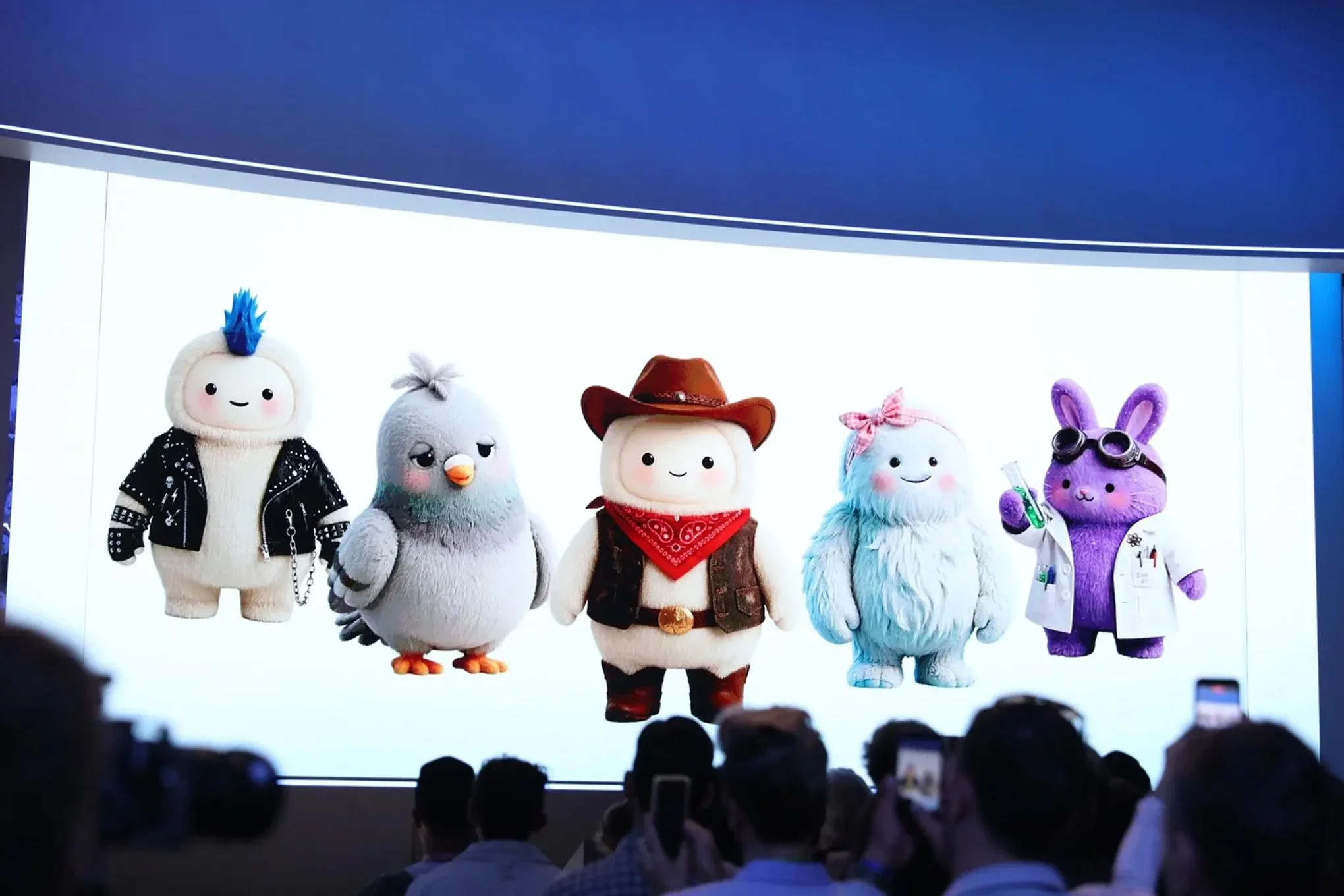
We have been tracking this emerging trend since 2024, correlating it with the unfolding Uranus-Neptune alignment—which last occurred in the 1990s—and with the return of the digital-pet aesthetic embodied by the Tamagotchi (read the article here).
Uranus is associated with the archetype of youth, eccentricity, and technology. Neptune with imagination, fantasy, and the dissolution of boundaries.
During Uranus-Neptune alignments, the digital and the imaginal can become unusually intertwined, with technology itself taking on an enchanted quality.
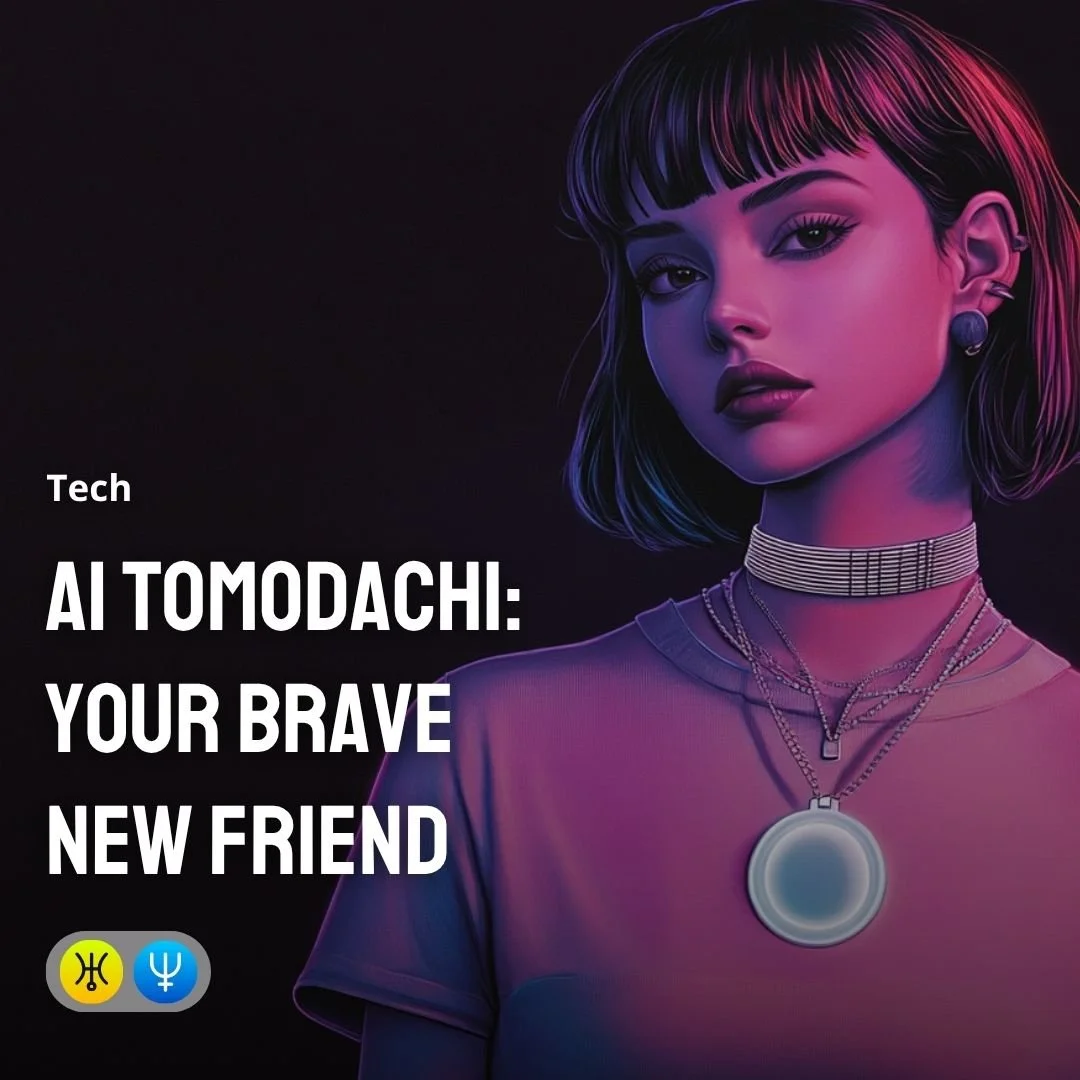
This is what we call a diachronic trend: a cultural image or motif that resurfaces across historical periods, carrying the same underlying archetypal pattern in new form.
And the fuzzy creature trend isn't just an AI trend. It's something the fashion industry predicted years ago. This is often the case with fashion: it's always first to feel and express the zeitgeist.
At Copenhagen Fashion Week in 2024, stuffed animals, plush bag charms, cartoon characters, and other childlike objects appeared on the runway.
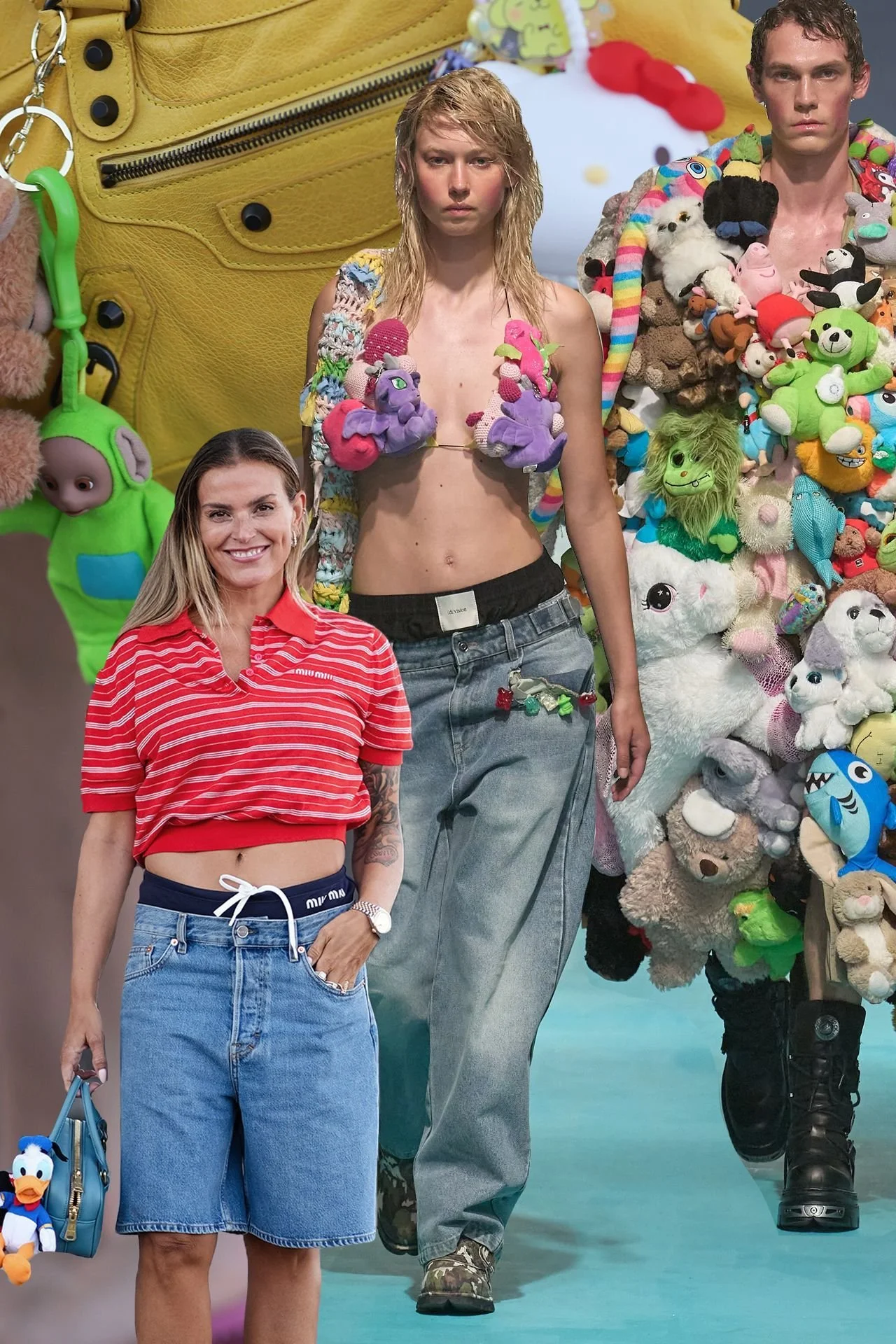
What once belonged to the world of children's backpacks was suddenly hanging from designer handbags.
This is what we call a synchronic trend: a cultural image or motif appearing across different sectors simultaneously (e.g., tech and fashion).
When a pattern is diachronic and synchronic at once—resurfacing across decades (sometimes centuries) and erupting across many sectors simultaneously—it begins to feel like more than a trend.
It is the collective unconscious making itself visible, and inviting us not only to recognize the archetypal signature, but to co-create with it.
So, are you going to gift someone a Furby or help them setup their Muse?