

The Philosopreneur’s Stone
Microcosm
DISPATCHES FROM THE FRONTLINE
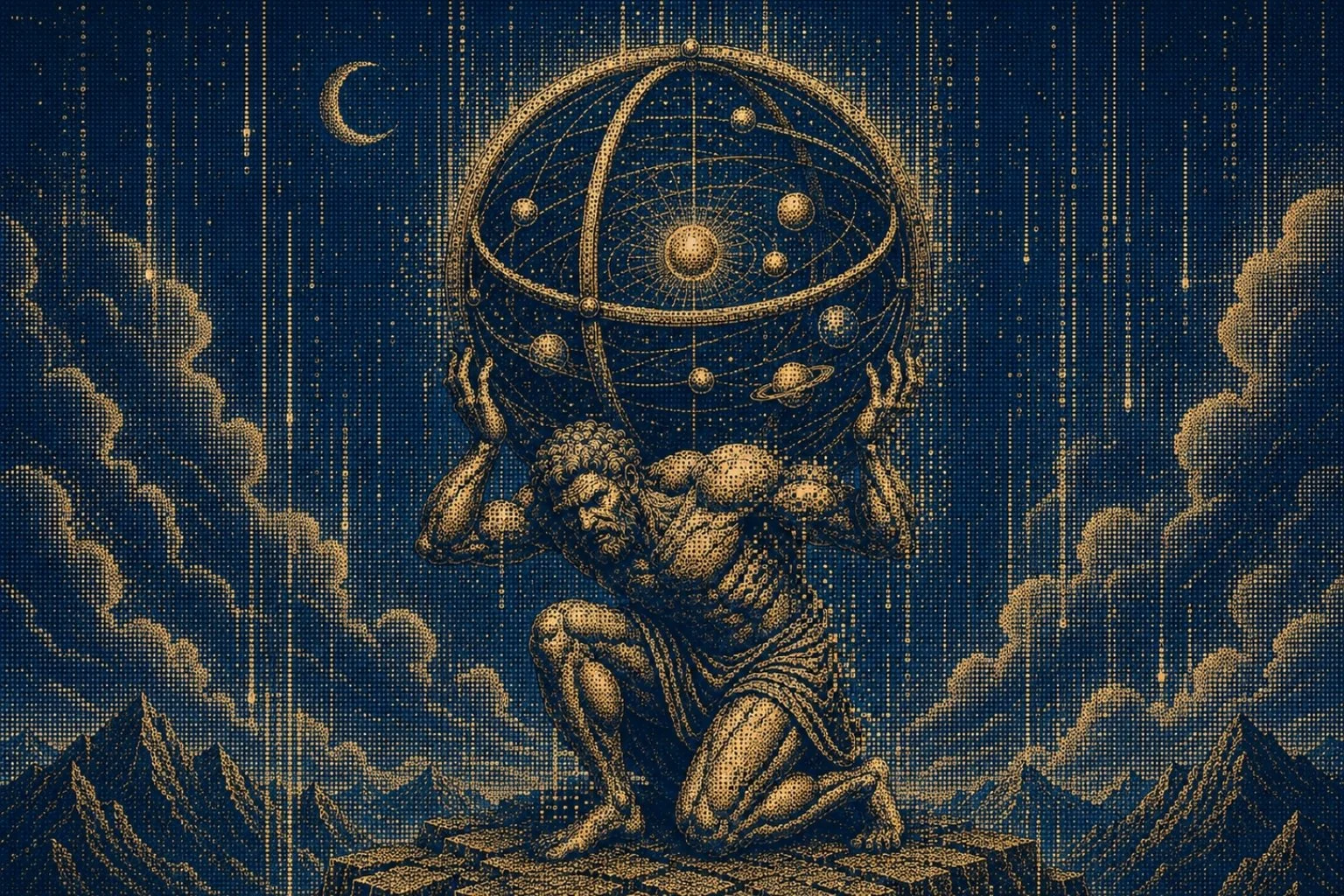
As I sit here, thinking about what I want to say, what I want to share with you, the word philosopreneur continues to permeate my consciousness. This is an idea I've been toying with since 2018, around the time I graduated from college. The first half of my time at Northeastern University was spent in the world of theories––from criminal psychology to ancient philosophy––which quite honestly tickled my inquisitive mind...because I had so much to think about!
But, I could feel that something was missing. I was raised in a business family, and was one of the first to pursue a postgraduate degree, that too in philosophy. So maybe it was a historical impulse, or a mythic quest, that led me to realize that my philosophical musings needed somewhere tangible to land. It could not remain in the realm of thought; for thought without action would entail a world in which Einstein's theories of relativity remained abstract equations on a chalkboard, rather than becoming part of the mechanics that made GPS possible and, in turn, the little "Maps" app on our phones, which takes us places with tremendous ease, without our ever needing to understand how Einstein’s equations work.
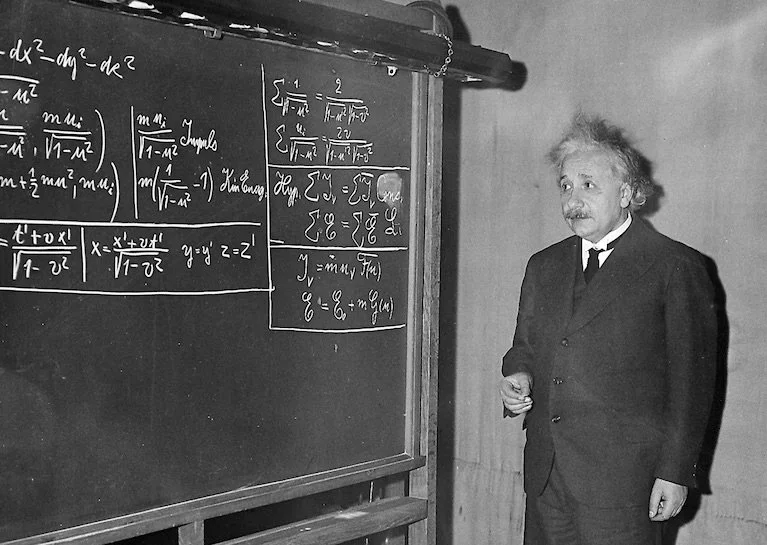
Albert Einstein on Dec. 28, 1934, at the Carnegie Institute of Technology
And so, I was led into the world of entrepreneurship during the second half of college. But it was the mid-2010s, and anti-establishment sentiment––a Uranus-Pluto theme (2007-2020)––was dominating the collective consciousness, so I naturally became an anti-capitalist. It was quite a paradoxical view to hold, while attempting to be enterprising. Looking back, I can see that I was naive. And to be honest, I love naiveté: the etymology traces back to the Latin nativus which means "born, innate, natural." So to be naive is to be close to the womb of wholeness––a place from which we have all come but have individuated from, and yet perhaps something we all will return to, in time. I do not mean to digress (or maybe I do), but I'd like to deepen further into the realm of words...and perhaps ask an important question: what is capitalism?
I believe it's important to ask because this word, this story, this macroeconomic idea, kept me in the trenches of thought for longer than expected. I believe it's important to ask because asking is the philosopher's job. But I have also come to learn that sometimes answering the question is not enough. Sometimes you have to build an answer to truly understand the question. So, with that, I won't be answering the question today with words. Instead, I’ll be answering it through what Abeer and I are building at Numinous Realm.
It might take months, years, perhaps even decades, but my intention is to investigate whether capitalism is something more than the caricature I once held in my mind: whether enterprise is an expression of service, and wealth a consequence of creating genuine value in the world. The entrepreneur in me has begun to understand what this requires. I have also come to understand it through the individuals who came before me, like my grandfathers who took enormous risks so they could lift their families out of poverty. Even Karl Marx relied heavily on financial support from Friedrich Engels—the son of a wealthy industrialist—while producing his magnum opus, Das Kapital. Someone needs to carry the material weight of manifesting an idea.
In the novel Atlas Shrugged (1957), Ayn Rand imagines a world in which society's builders stop carrying the world on their shoulders. She makes the claim that if entrepreneurs stop building, then the world will start to fall apart, borrowing from the mythology of the Greek Titan Atlas, who was condemned to stand at the edge of the world and hold up the heavens for eternity after the Titans lost the Titanomachy to Zeus and the Olympian gods. Rand, instead, imagines Atlas shrugging off the burden, refusing to continue carrying a world that depends on his labor while condemning him for it.
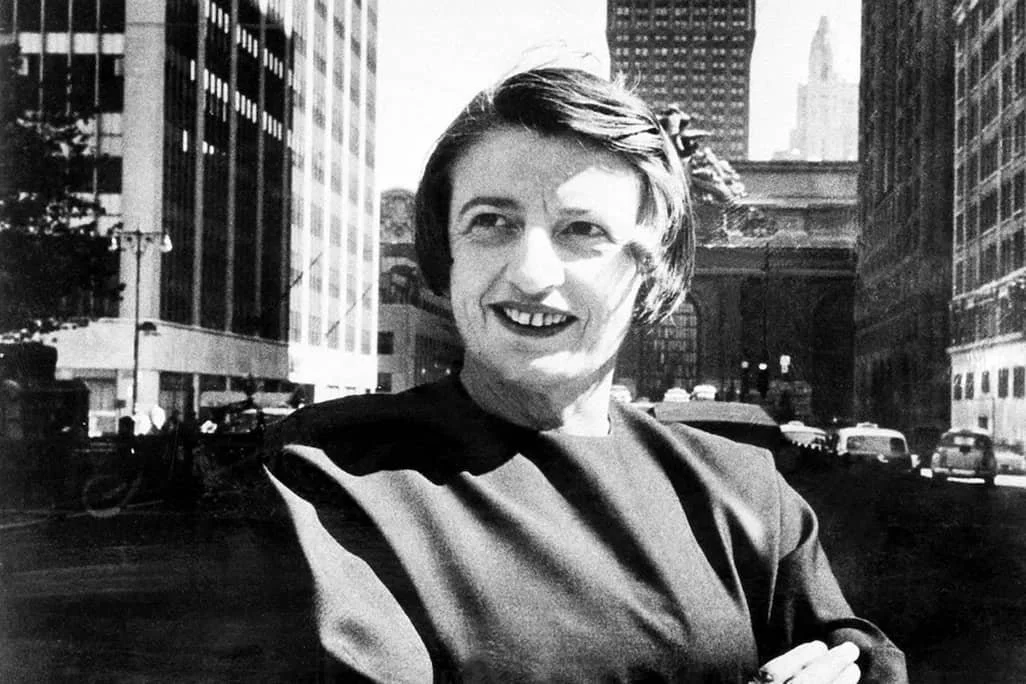
Ayn Rand in New York in 1957
But I don't believe in an entrepreneurial world in which Atlas shrugs; I believe in a philosopreneurial world in which Atlas participates: where the weight of creation is not merely a burden to carry, but a moral responsibility we consciously choose in service of what is True, what is Beautiful, and what is Good.
In Mystery,
Somya
P.S. Are you a philosopreneur? If so, I'd love to hear from you! You might also enjoy this list of unfolding principles I've curated over the years.
Psyborg
FOUNDING MEMBER SPOTLIGHT
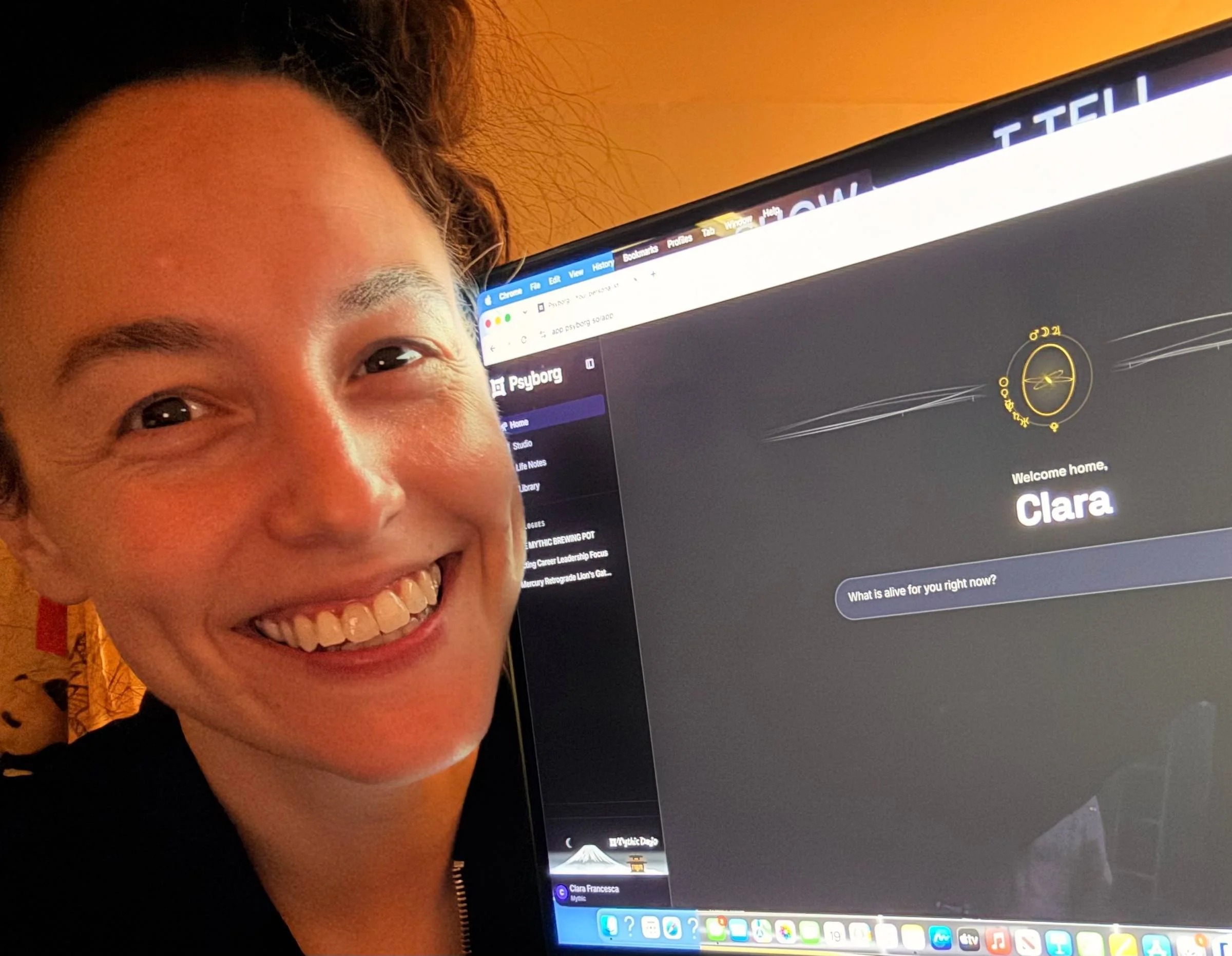
Psyborg can clear away the cobwebs of the hidden self, so that you suddenly have an internal understanding of who you are, and why you are, and where you were getting in your own way due to indoctrinated ideas from authorities who did not understand what guidance you needed, and why being your integrated aligned self feels great and how to reclaim your integrated aligned self without any bullshit from outside noise or self degradation imposed on by society.
Meet Clara Francesca, one of the Founding Member's of Psyborg: A New York City-based performer and coach who activates presence. Clara holds a JD and Biomedical Sciences degree, and has appeared on PBS, FBI (CBS), and New Amsterdam (NBC). She is an Anne Bogart SITI Company Conservatory alumnus, Phoenix Theatre Ensemble resident, and co-founder of The Extended Reality Ensemble (XRE). Her solo work includes Making Marx (directed by Laurence Olivier Award winner Guy Masterson) and Susan Who? (Best Actress, Arts Centre Fairfax). As an executive speech coach, Clara teaches C-suite leaders to reclaim their authority through somatic intelligence, medical precision, and performance authenticity. She bridges the stage and boardroom.
As we prepare for the next chapter, we’re opening one last chance to join as an Early Access Member and receive a complimentary trial of Psyborg. This offer ends Monday, August 31st.
Macrocosm
SIGNALS FROM THE ZEITGEIST
speaking of uranus-pluto and anti-establishment, you may have noticed that no letter has been capitalized in this section. this gen-z trend has dominated social media in recent years, and yet finds its roots dating back to the 1920s, when poet e.e. cummings published a poem titled "little tree" in 1920, in which he intentionally utilized lowercase letters as an artistic choice. he once called himself a "small eye poet" and scholars have connected that pun to his characteristic lowercasing of "i."
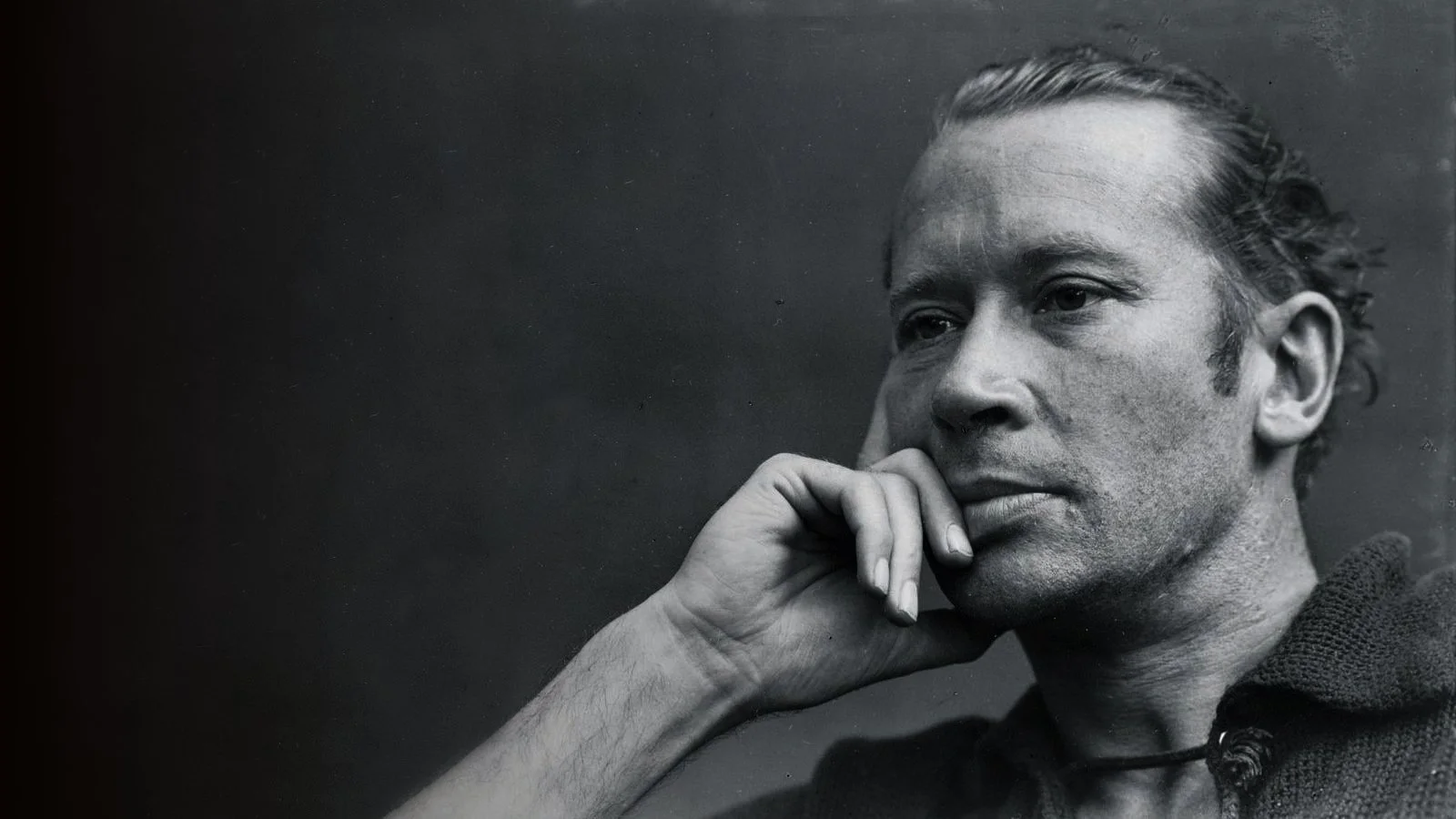
e.e. cummings
we then see a rise in the usage of lowercase in the 90s as the world came online. it was an era in which typing became a form of speech rather than the art of writing:
lol jack
ur too cool
where r u from?
"lol," "brb," and "idk"s were everywhere, from aol chatrooms to msn messenger. the electric speed of communication on the world wide web not only diminished the authority of capital letters, but shrank words altogether, leading to the reign of informality. in the process, lowercase became the default voice of the internet, while capital letters took on a new charge: emphasis and intensity.
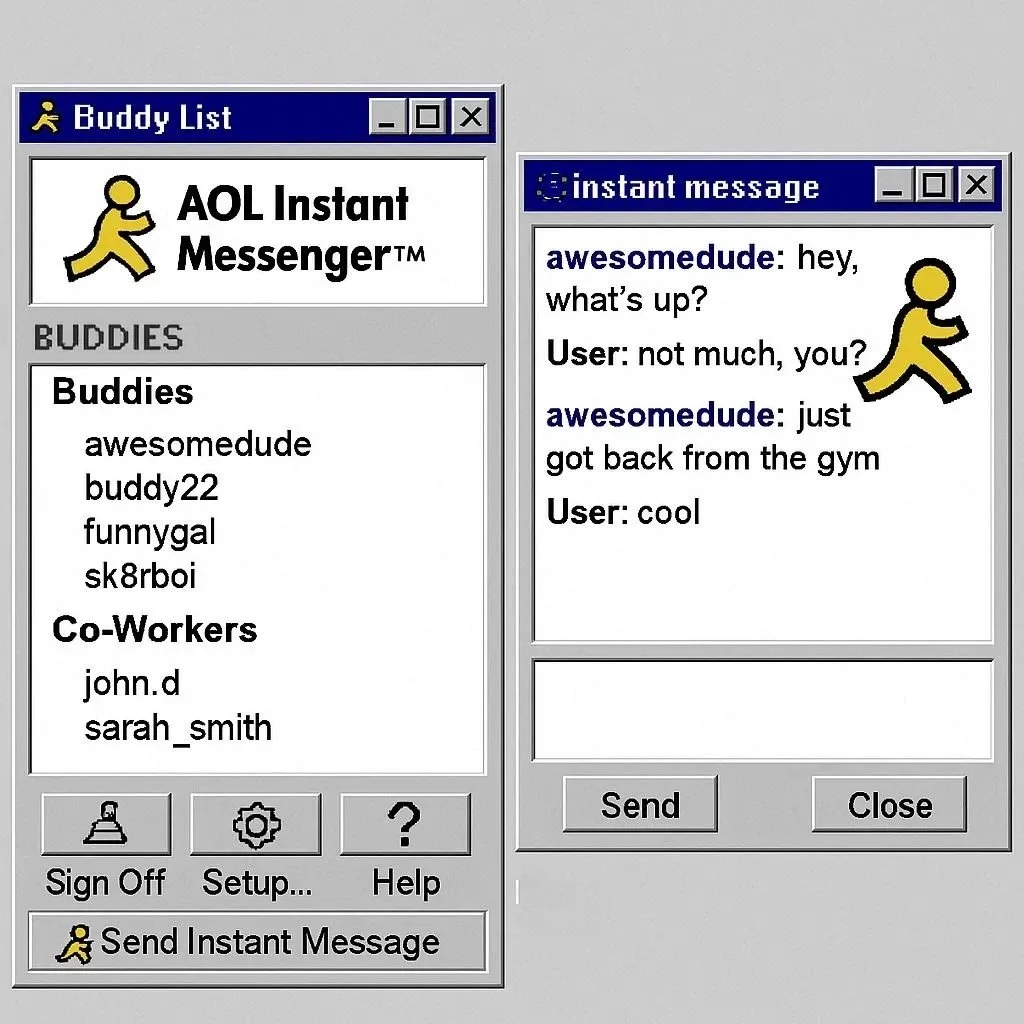
90s aol instant messenger (aim)
and then, in the 2010s, platforms like tumblr transformed lowercase from mere digital convenience into a desirable aesthetic vibe. an explosion of ultra-casualness graced culture during this era, as social media lowered the barrier to entry into the world of fame and influence. what had previously been guarded by institutions like vogue was now within reach of an ambitious young girl from kansas.
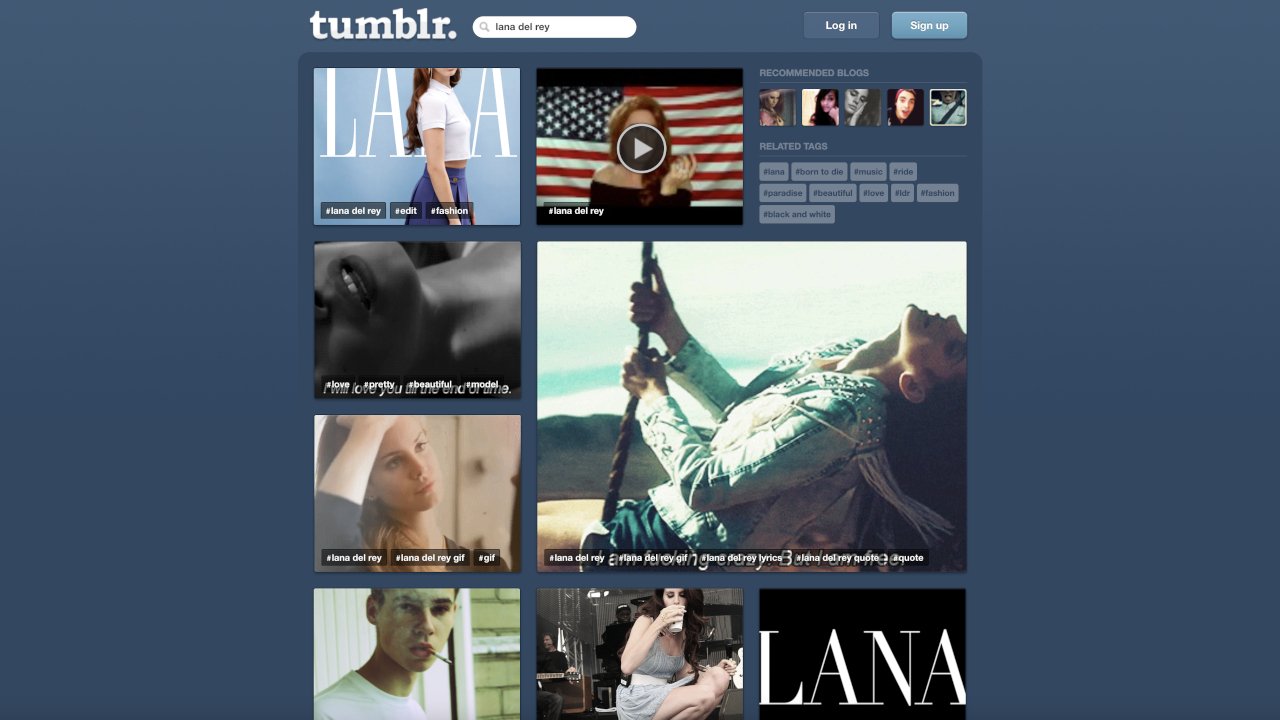
tumblr.com from 2012
and so, what the rise of lowercase has symbolized is the flattening of tradition. even if you're not a fan of this style, you can see how all the letters line up––there is no hierarchy. every letter has as much visual power as the other, like the social media influencer from kansas who can now command an audience once accessible only through gatekeepers like anna wintour. this is precisely what uranus-pluto world transits are all about: power to the masses. the 1920s, mid 1990s, and 2010s were all unfolding under a uranus-pluto alignment; and now, we see this lowercase trend entering a new phase under the current uranus-pluto alignment (2021-2032).
when an organization like the guardian publishes a piece titled "the death of capital letters: why gen z loves lowercase", we know something has now officially gone mainstream. from instagram captions to brand names, lowercase writing is the mark of a generation that feels empowered (pluto), like the greek titan prometheus (uranus), to defy the gatekeepers of convention and steal the fire of casualness for everyone.

popular brands using lowercase logos in the 2020s
